નોટિંગહામ યુનિવર્સિટી ખાતે આંતરરાષ્ટ્રીય પરિસંવાદ
On the 5th of March 2025, Dr Bernadette Devilat gave a guest lecture as part of the Post Office Cultures collection. Open to all.
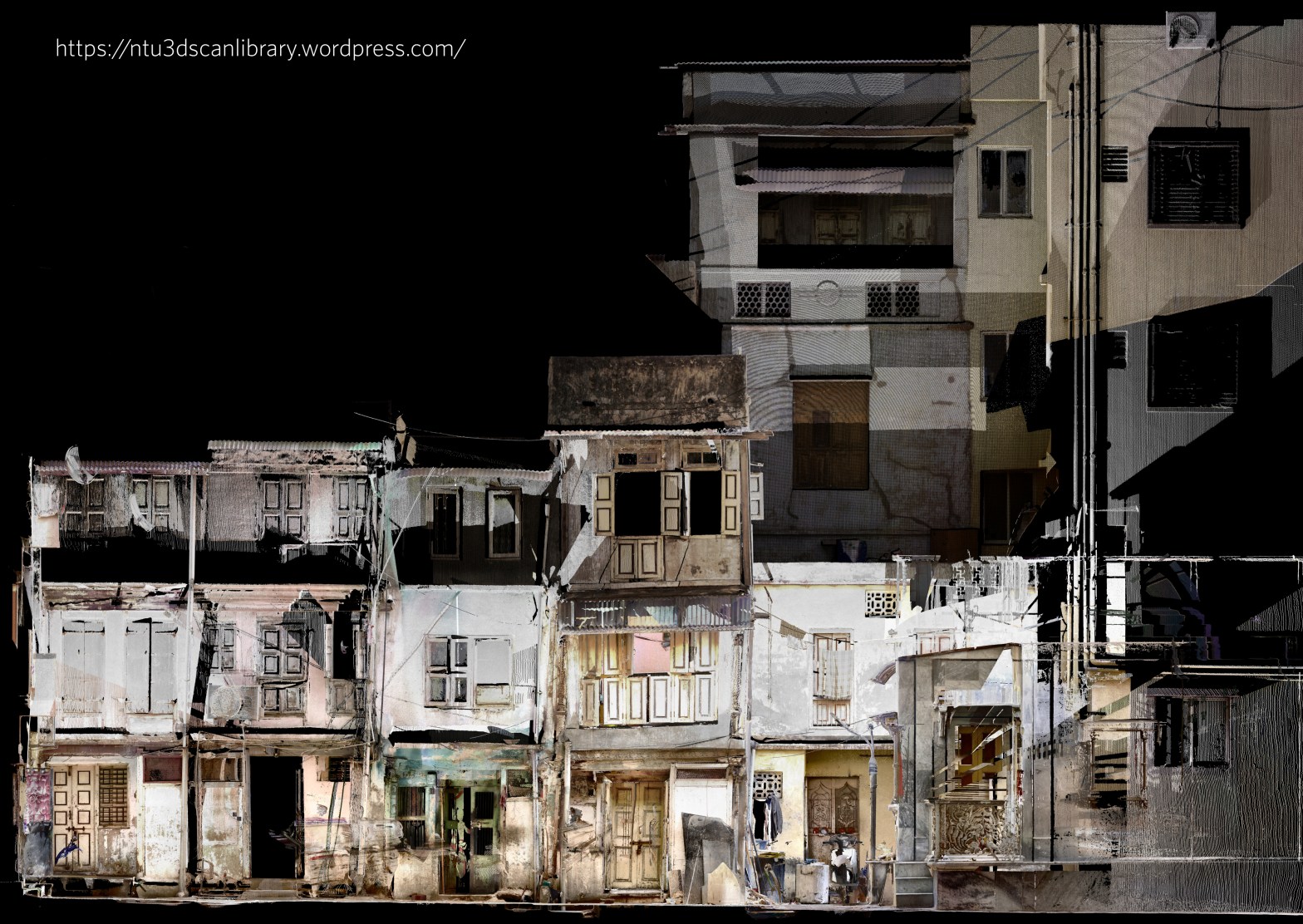
This talk presented her previous experience documenting heritage areas affected by earthquakes in Chile as an introduction, followed by two research projects aimed at documenting domestic built heritage at risk of earthquakes in Ahmedabad and Bela, in the region of Gujarat, India. Housing in heritage settlements is liable to deterioration, damage and destruction due to disasters and hazards. This non-monumental heritage is mainly built by local inhabitants as an economical and affordable response to local climatic and environmental conditions. When located in seismic areas, this built heritage is at greater risk due to earthquakes posing a destructive and recurrent threat. Despite this, responses are usually triggered after the earthquake, lacking mitigation strategies to diminish destruction. The fastest and most common post-earthquake approach is to build anew, yet the most sustainable is to reuse, considering the building’s embedded energy and heritage significance. However, there is a lack of relevant documentation for culturally sensitive recovery and preparedness, repairs are usually costly and slow, and large numbers of affected constructions make damage assessment difficult. This is when 3D laser scanning, one of the latest technologies for accurate and comprehensive documentation of the as-built condition of buildings, becomes key.
The first project: ‘Surveying heritage buildings in Ahmedabad, India: empowering local action and skills for heritage conservation’ focused on developing local capacities for recording, surveying and protecting built heritage buildings through a series of training activities capturing the 3D laser scan record of two houses in the centre of Ahmedabad, a UNESCO World Heritage Site.
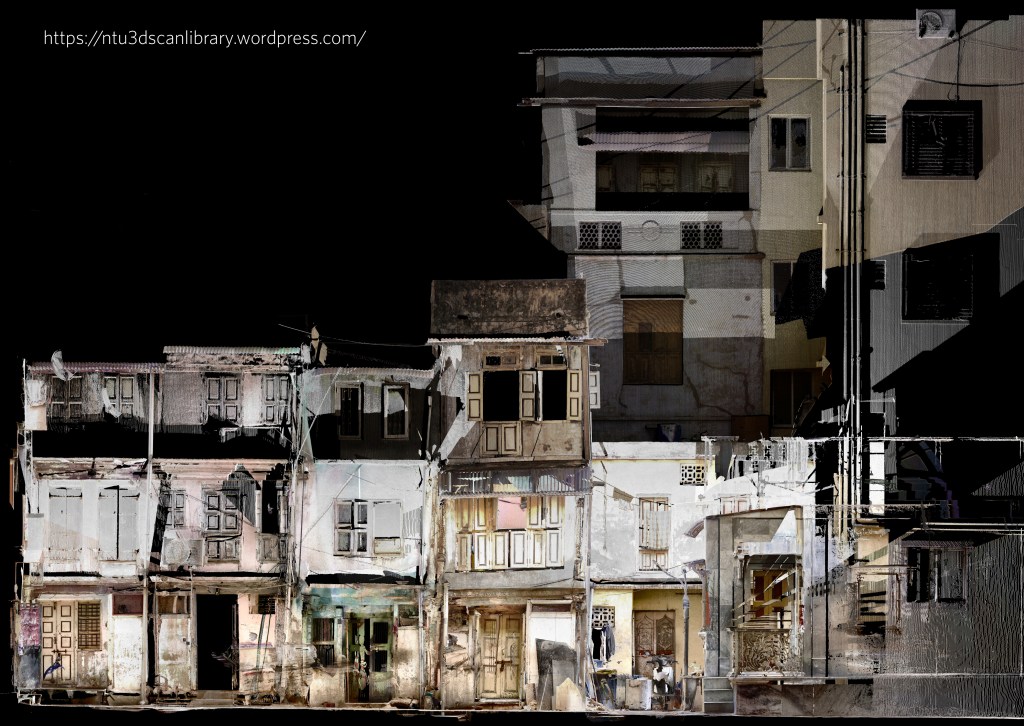
The second project: A Sustainable Re-construction Method for Seismic-prone Heritage Areas of India Based on Advanced Recording Technologies”, integrated also social surveys, drone capture and photography to develop a re-construction and mitigation strategy for the historical centre of the village of Bela, also located in Gujarat. It is a fast, affordable and scalable approach to break the unsustainable cycle of buildings’ replacement and subsequent heritage loss based on its 3D scan record. The data obtained was used in a series of community engagement activities with the inhabitants, exploring the visual capabilities of the 3D technology applied towards a culture of repair, reuse, adaptation and risk mitigation. The proposed framework could improve the chances of an effective response in case of an earthquake, enhance the design possibilities of reusing existing structures, and increase preparedness and resilience in local communities. Currently, in phase 4 of this research project, we are exploring policy implementation and dissemination.

These projects have been done in collaboration with researchers and partners from the Center for Heritage Conservation, CEPT Research and Development Foundation, the Hunnarshala Foundation, the Gujarat Institute of Disaster Management (GIDM), Nottingham Trent University & ICCROM.
This talk was also part of the Architecture, Culture and Tectonics (ACT) Research Group monthly seminars, Department of Architecture and Built Environment, University of Nottingham.
૪ માર્ચ ૨૦૨૫ ના રોજ, યુનિવર્સિટી ઓફ નોટિંગહામ (UoN) ના સ્થાપત્ય, સંસ્કૃતિ અને ટેક્ટોનિક્સ સંશોધન જૂથના ડૉ. બર્નાડેટ ડેવિલેટ અને ડૉ. ફેલિપ લાનુઝાએ સમગ્ર યુનિવર્સિટી માટે ખુલ્લા આંતરરાષ્ટ્રીય પરિસંવાદનું આયોજન કર્યું હતું. આ પરિસંવાદમાં આ સંશોધન પરિયોજનાના અગાઉના તબક્કામાં અમારી ભાગીદાર સંસ્થાઓના આંતરરાષ્ટ્રીય મહેમાનો દ્વારા વ્યાખ્યાનોનો સમાવેશ થતો હતો: ગુજરાત ઇન્સ્ટિટ્યૂટ ઓફ ડિઝાસ્ટર મેનેજમેન્ટ (GIDM) ના ડિરેક્ટર નિસર્ગ દવે; હુન્નરશાલા ફાઉન્ડેશનના આદિત્ય સિંહ; અને સેપ્ટ યુનિવર્સિટીના મૃદુલા માને.
બેલા ખાતે સમુદાય સાથે જોડાણ પ્રવૃત્તિઓ દરમિયાન ઉપયોગમાં લેવાતા અગાઉના પ્રકાશનો, પત્રિકાઓ, પુસ્તિકાઓ અને અન્ય સામગ્રી પણ કેન્દ્રમાં પ્રદર્શિત કરવામાં આવી હતી.
પરિસંવાદ દરમિયાન ભોજન સમયે, બર્નાડેટ ડેવિલાટે એક ટૂંકી પરિચયાત્મક રજૂઆત કરી, ત્યારબાદ હુન્નરશાલા ફાઉન્ડેશન જે આ વિસ્તારમાં ભૂકંપ પછીની અનેક પુનર્નિર્માણ પ્રક્રિયાઓમાં સામેલ એક ભારતીય સ્વૈચ્છિક સંસ્થા (NGO) છે, તેના આદિત્ય સિંહની રજૂઆત હતી.
નિસર્ગ દવેએ આ સંશોધન પ્રોજેક્ટના વર્તમાન તબક્કા ૪ માં અમારા પ્રોજેક્ટ ભાગીદાર GIDM ના કાર્યની રજૂઆત કરી. તેમણે GIDM, એક સરકારી સંસ્થા તરીકે, ગુજરાતમાં આપત્તિઓનો સામનો કરવા માટે તૈયારી વિકસાવવા માટે કેવી રીતે કાર્ય કરી રહ્યું છે, આ સંશોધન કાર્યક્રમના સંદર્ભમાં તેમની સંડોવણી અને અમારા નવીનતમ પરિણામ: ‘બેલા માટે આપત્તિ જોખમ વ્યવસ્થાપન યોજના’ વિશે રજૂઆત કરી. સત્ર પછી પ્રશ્નો અને ચર્ચા થઈ.
કોફીના વિરામ પછી, ડૉ. ફેલિપ લાનુઝાએ બેલામાં સ્થળ પર મેળવેલા 3D-લેસર-સ્કેન ડેટાએ ચબુતરા (પક્ષી ફીડર) સહિત બે ઉદાહરણોનો ઉપયોગ કરીને આપત્તિ જોખમ વ્યવસ્થાપન યોજનાના વિકાસને કેવી રીતે માહિતી આપી તેની રજૂઆત કરી. ત્યારબાદ, સેપ્ટ યુનિવર્સિટીના મૃદુલા માનેએ બેલા ખાતે સ્થળ પર ડેટા સંગ્રહના તેમના અવલોકનો અને સામાજિક અસરો રજૂ કરી. પરિસંવાદનું સમાપન વિકસિત માળખાના વધુ અમલીકરણ અને આ સંશોધન પ્રોજેક્ટના આગામી પગલાં વિશે રાઉન્ડ ટેબલ ચર્ચા સાથે થયું.
આટલી સમૃદ્ધ ચર્ચા માટે બધા ઉપસ્થિતોનો અને પ્રસ્તુતિઓ રેકોર્ડ કરવા અને ચિત્રો લેવા બદલ હાન્યુ ઝેંગનો ખાસ આભાર.
આ પ્રવૃત્તિને નોટિંગહામ યુનિવર્સિટીના ઇન્ટરનેશનલ રિસર્ચ કોલાબોરેશન ફંડ તરફથી મળેલી ગ્રાન્ટ દ્વારા ભંડોળ પૂરું પાડવામાં આવ્યું હતું.
દ્વારા અનુવાદિત: સંજયભાઈ દવે, ડેવલપમેન્ટ જર્નલિસ્ટ, ચરખા નેટવર્ક, અમદાબાદ
 3D for Heritage India
enthralling! 51 2025 Guest online talk: Documenting domestic built heritage at risk in Gujarat, India. From Ahmedabad to Bela cute
LikeLike